

 I'm A Patient
 I'm A Provider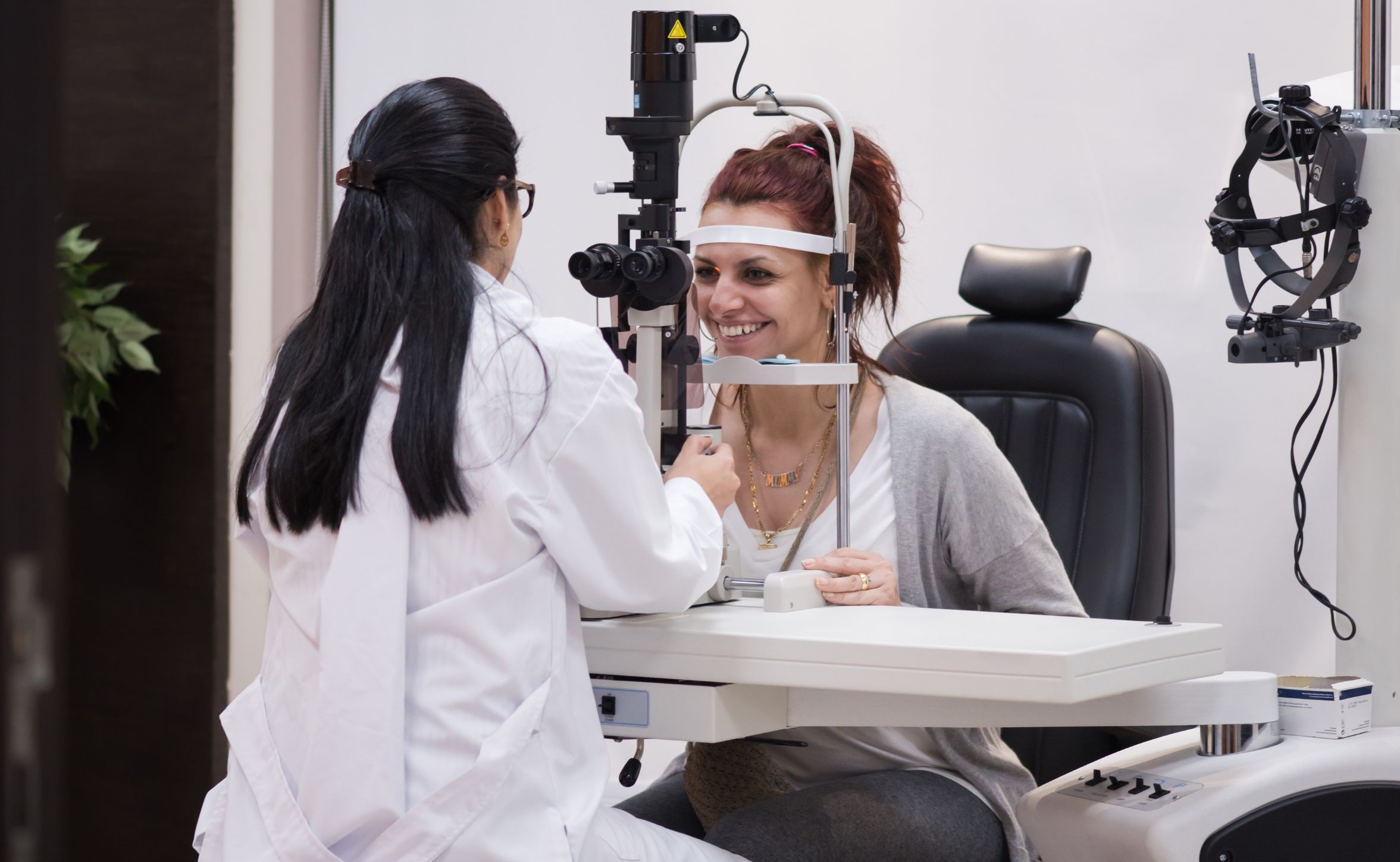
Direct Answer
Dry age-related macular degeneration (AMD) therapy in New Zealand is available through ophthalmology and optometry practices, with the broadest range of options found in major urban centres including Auckland, Wellington, Christchurch, and Hamilton. The standard pathway to specialist care under the public system is a GP referral to an ophthalmologist. Patients can also contact optometry practices directly, as some offer dry AMD monitoring and may provide or co-manage device-based therapy.1
For patients interested in device-based therapy specifically, MacuMira is a Medsafe-notified medical device authorized for clinical use in New Zealand, indicated to improve visual function in patients with dry AMD and is available through clinics in New Zealand. Patients in smaller towns or rural areas may need to travel or arrange an initial telehealth consultation to identify the nearest provider. Asking a local GP or optometrist to help with a referral or recommendation is a practical first step regardless of location.2
How Dry AMD Care Is Structured in New Zealand
Dry AMD in New Zealand is managed across two broad settings: the public health system, where specialist ophthalmology is accessed through GP referral, and funded by Health New Zealand and the private sector, where patients can self-refer to ophthalmologists or optometrists and pay out of pocket or use health insurance. The range of services available and the waiting times involved can differ significantly between these two pathways.3
Routine AMD monitoring is often provided by optometrists, who are accessible in most towns and cities. More specialized management, including assessment for device-based therapy or treatment for wet AMD, typically involves an ophthalmologist. In practice, many New Zealand patients with dry AMD are co-managed between an optometrist who handles monitoring and an ophthalmologist who provides additional assessment or treatment when needed.1
The GP Referral Pathway
For patients who want to access specialist ophthalmology care through the public system, the process typically begins with a GP appointment. The GP can refer to a hospital ophthalmology service or a private ophthalmologist, depending on the clinical urgency and the patient’s preferences. When making the appointment, patients should mention that they have a dry AMD diagnosis and that they want to understand all currently available management options, including any newer therapies that may apply to their situation.3
Wait times for public ophthalmology in New Zealand vary by region and clinical priority. Patients with more advanced disease or rapid progression are typically prioritized. Patients whose condition is stable may wait longer under the public system. Those who want faster access to a broader range of options, including newer device-based therapies, may find that a private appointment is a more practical route.
Finding Providers Through Professional Directories
Several directories are available to New Zealand patients searching for a dry AMD provider. The Royal Australian and New Zealand College of Ophthalmologists (RANZCO) maintains a find-a-specialist tool that allows patients to search for registered ophthalmologists by location. This is the most reliable starting point for patients seeking a specialist with a focus on retinal or macular conditions.4
The New Zealand Association of Optometrists (NZAO) offers a find-an-optometrist directory that allows patients to locate registered optometrists near them. For many patients, particularly those in smaller communities, an optometrist will be the first and most accessible point of contact for dry AMD care. Optometrists can conduct baseline assessments, provide monitoring, and refer to ophthalmologists when a higher level of intervention is needed.5
These directories identify registered practitioners but do not rank or endorse specific providers. When contacting a practice, patients should ask directly whether the clinic has a focus on macular degeneration, what imaging equipment is in use, and whether the full range of current dry AMD management options is discussed with patients.
Where Device-Based Therapy Is Available
Device-based therapy for dry AMD, including MacuMira, is offered through clinics in New Zealand. Access is concentrated in larger urban centers, where specialized eye care practices are more likely to have adopted newer therapeutic approaches. Patients in Auckland, Wellington, Christchurch, Hamilton, and other major centers are the most likely to find a nearby provider offering this option without significant travel.2
Patients in provincial towns, smaller cities, and rural areas face more limited local access. This is not unusual for specialized healthcare in New Zealand, where geographic distribution of services reflects population density. Options for patients in these areas include asking a local GP or optometrist to identify the nearest clinic offering device-based therapy, contacting clinics in the nearest major center directly, and asking whether telehealth pre-assessments are available before committing to travel.2
Some clinics offering MacuMira therapy may be able to conduct an initial eligibility assessment remotely, which can help patients determine whether a trip to a larger center is worthwhile before scheduling in-person treatment. Asking about this at the outset can save patients time and travel if they are not eligible.
What to Look for when Contacting a Clinic
When a patient contacts a clinic to ask about dry AMD care, a few questions can quickly clarify whether the practice is equipped to provide comprehensive management. A clinic that uses optical coherence tomography (OCT) imaging is better positioned to assess and monitor AMD accurately than one that relies solely on fundus examination. A practice willing to discuss all available management options, not just monitoring and supplements, is more likely to be current on the dry AMD treatment landscape.1
Patients should also ask whether the clinic offers device-based therapy or can refer to a clinic that does and whether Medsafe, the New Zealand regulatory body for medical devices, has authorized the devices used. These questions are reasonable to ask of any clinic and a reputable practice will answer them without hesitation.6
It is also worth asking about the assessment process before any treatment is recommended. A responsible clinic will conduct a thorough clinical intake, including imaging and visual function testing, before determining whether a patient is eligible for device-based therapy. Eligibility cannot be determined without this assessment, and any clinic that bypasses it is not providing the standard of care patients should expect.
Access for Rural and Regional Patients
New Zealand’s geographic spread means that access to specialized eye care is not uniform. Rural and regional patients with dry AMD face genuine challenges in accessing the full range of management options, particularly newer device-based therapies that are not yet offered in smaller communities.3
Several strategies can help. First, asking a local GP or optometrist to actively research the nearest available provider, rather than simply assuming there is none nearby, often yields useful leads. Second, contacting clinics in the nearest regional or metropolitan center directly and asking about their assessment process, including whether remote or telehealth pre-consultations are available, can reduce the uncertainty of travelling for care. Third, patients willing to travel occasionally for treatment can establish a co-management arrangement with a local optometrist for routine monitoring between device therapy sessions.
For patients whose vision loss is already affecting daily function, Blind Low Vision NZ provides support services and resources regardless of geographic location. Remote and rural access to these services is available through telephone and online channels, and a referral from an eye care provider is not required to make contact.7
Costs and Coverage
Under the public health system, medically necessary GP visits and hospital ophthalmology services are funded by Health New Zealand. Optometry visits for adults are generally not publicly funded unless they qualify under specific community services card criteria. Private ophthalmology and optometry visits involve out-of-pocket costs, which vary by provider and service.3
Device-based therapy for dry AMD is currently an out-of-pocket expense for most patients in New Zealand. Some health insurance policies and health savings plans may cover part of the cost. Patients who are considering device-based therapy should ask the clinic about its fee structure before proceeding. Understanding the full cost of the initial treatment series and the ongoing maintenance schedule helps patients make an informed decision about whether the commitment is right for their situation.2
What to Ask when Looking for Dry AMD Therapy in New Zealand
- Can my GP refer me to an ophthalmologist with a focus on macular degeneration, and how long is the typical wait?3
- Does this clinic use OCT imaging for AMD assessment and monitoring?1
- Do you offer device-based therapy for dry AMD, or can you refer me to a clinic that does?2
- Is the device used at this clinic authorized by Medsafe?6
- If I am not nearby, is a telehealth pre-assessment available before I travel for an in-person appointment?
- What is the cost of the treatment series and ongoing maintenance, and does health insurance cover any of this?2
- Can you connect me with Blind Low Vision NZ if I need additional support for daily functioning?7
Key Takeaway
Dry AMD therapy in New Zealand is available through ophthalmology and optometry practices, with the widest range of options in major centres such as Auckland, Wellington, Christchurch, and Hamilton. A GP referral is the standard public pathway to specialist care. For device-based therapy, patients can contact clinics directly and ask about MacuMira availability and the eligibility assessment process. Rural and regional patients should ask about telehealth pre-assessments to reduce unnecessary travel. No matter where a patient is located, the starting point is a conversation with a GP or local optometrist who can help identify the nearest appropriate care.
Disclaimer
This article is for educational purposes only and is not a substitute for professional medical advice, diagnosis or treatment. Information about New Zealand health system pathways and coverage is general in nature and may vary by region, provider and individual circumstances. Patients should confirm coverage and service availability with their provider and with Health New Zealand.
Glossary
Dry AMD (dry age-related macular degeneration): A progressive retinal condition in which the macula gradually deteriorates, causing central vision loss. The most common form of AMD. Managed through monitoring, lifestyle changes, supplementation and device-based therapy for appropriate patients.
MacuMira: A Medsafe-notified medical device authorized for clinical use in New Zealand, indicated to improve visual function in patients with dry AMD through noninvasive, low-level electrical stimulation. Available through clinics in New Zealand. For use under the supervision of an eye care professional. Not indicated for wet AMD.
Health New Zealand (Te Whatu Ora): The national entity responsible for planning, funding and delivering health services in New Zealand. Funds publicly provided medical services including specialist ophthalmology care accessed through GP referral.
RANZCO: The Royal Australian and New Zealand College of Ophthalmologists. Maintains a find-a-specialist directory used by patients to locate registered ophthalmologists in New Zealand.
New Zealand Association of Optometrists (NZAO): The professional organization representing registered optometrists in New Zealand. Offers a directory for finding optometrists by location.
Medsafe: The New Zealand Medicines and Medical Devices Safety Authority. Regulates the safety of medical devices used in New Zealand clinical settings.
Blind Low Vision NZ: A national organization providing support services and resources to New Zealanders with vision impairment, including those with advanced AMD.
Optical coherence tomography (OCT): A noninvasive retinal imaging technology producing detailed cross-sectional images of the macula. The standard tool for staging and monitoring dry AMD.
Co-management: A care arrangement in which two providers, such as an ophthalmologist and an optometrist, share responsibility for a patient’s ongoing care under defined protocols.
Telehealth: The delivery of health services and consultations through remote communication technologies. Can allow patients in regional or rural areas to have an initial eligibility assessment without travelling.
References
1. Age-Related Macular Degeneration. National Eye Institute, National Institutes of Health. Last reviewed November 2023. Accessed June 2026. https://www.nei.nih.gov/eye-health-information/eye-conditions-and-diseases/age-related-macular-degeneration.
2. Evaluation of visual acuity in dry AMD patients after microcurrent electrical stimulation. Parkinson KM, Sayre EC, Tobe SW. International Journal of Retina and Vitreous. Published May 2023. Accessed June 2026. https://macumira.com/wp-content/uploads/2025/07/MacuMira-Clinical-Trial.pdf.
3. Health New Zealand. Te Whatu Ora. Date not listed. Accessed June 2026. https://www.tewhatuora.govt.nz/.
4. Find a Specialist. Royal Australian and New Zealand College of Ophthalmologists (RANZCO). Date not listed. Accessed June 2026. https://www.ranzco.edu/find-a-specialist/.
5. Find an Optometrist. New Zealand Association of Optometrists (NZAO). Date not listed. Accessed June 2026. https://nzao.co.nz/find-an-optometrist/.
6. Medsafe: New Zealand Medicines and Medical Devices Safety Authority. New Zealand Ministry of Health. Date not listed. Accessed June 2026. https://www.medsafe.govt.nz/.
7. About Us. Blind Low Vision NZ. Date not listed. Accessed June 2026. https://blindlowvision.org.nz/about-us/.